Poemas : Peyronie Disease Treatment: Causes, Symptoms, Diagnosis, and Modern Treatment |
|
|---|---|
|
Este artículo o categoría puede incluir contenido sensible. ¿Seguro que quieres leer?
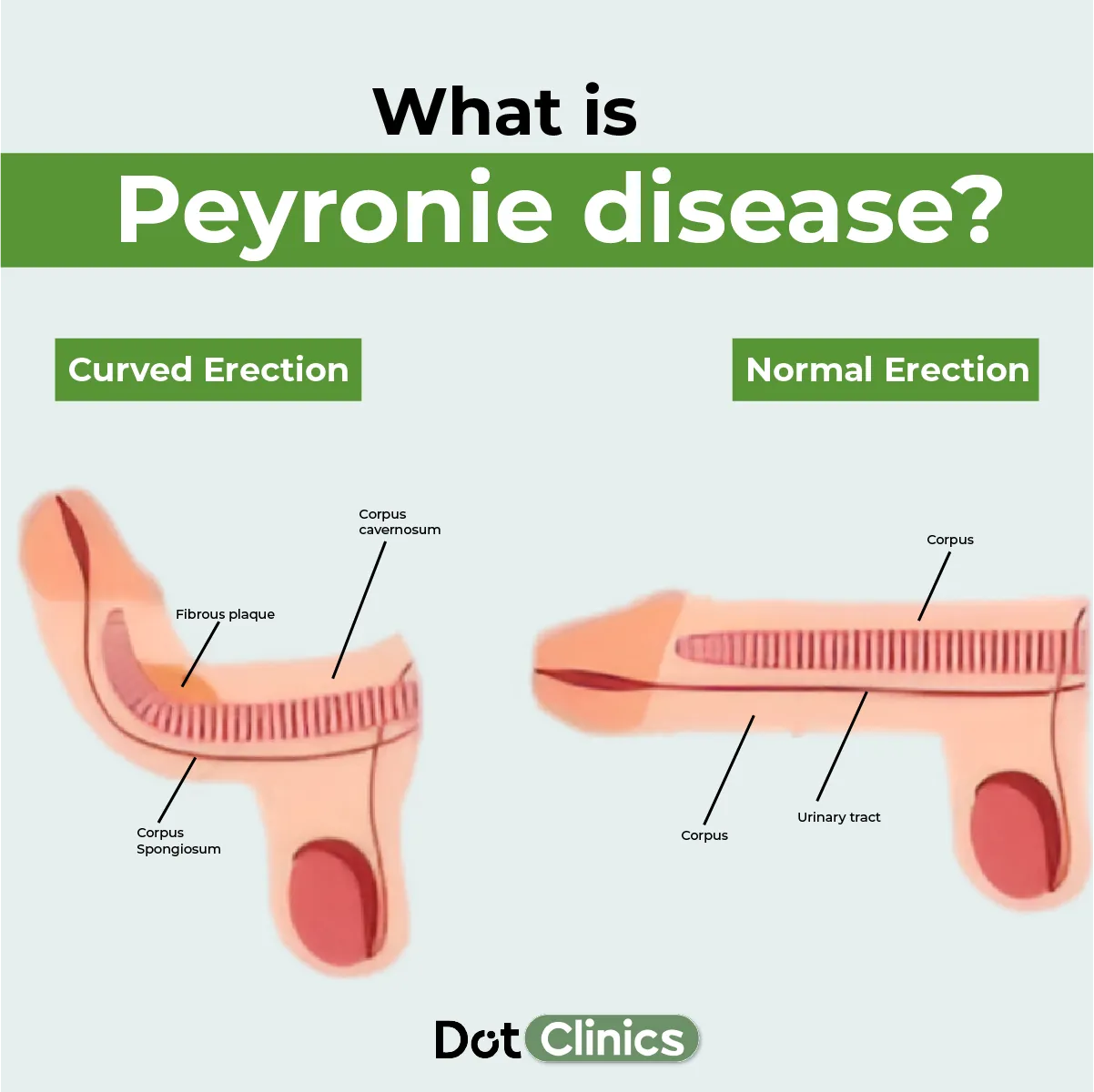
Peyronie disease is a relatively common but often misunderstood condition affecting men, characterized by the development of fibrous scar tissue inside the penis. This scar tissue, called a plaque, leads to penile curvature, deformity, pain during erections, and in some cases, difficulty with sexual intercourse. Although Peyronie disease can be physically and emotionally distressing, advances in medical science have led to highly effective treatment options.
This comprehensive guide explores Peyronie disease in detail—its causes, signs, diagnosis, and the full spectrum of modern treatments—helping patients understand their options and feel confident seeking care. What Is Peyronie Disease? Peyronie disease is a connective tissue disorder affecting the tunica albuginea, the tough elastic sheath surrounding the corpora cavernosa—two chambers of erectile tissue in the penis. When scar tissue forms within this layer, it prevents normal expansion during erection. As a result, the penis bends or curves, usually upward but sometimes downward, sideways, or into complex shapes. The condition typically develops in two phases: 1. Acute Phase (Active Phase) Lasts about 6–18 months Curvature gradually worsens Pain during erection is common Scar tissue is still forming 2. Chronic Phase (Stable Phase) Curvature stabilizes Pain usually decreases or disappears Penile deformity remains Erectile dysfunction (ED) may persist Early diagnosis is key because treatment approaches vary depending on the disease stage. Prevalence and Impact Peyronie disease affects approximately 6–10% of men, although actual numbers may be higher because many avoid seeking help due to embarrassment. It most commonly occurs in men aged 40–70 but can appear at any age. Beyond physical symptoms, the psychological burden is significant. Many men experience: Anxiety Low self-esteem Relationship stress Depression Avoidance of sexual activity Understanding that Peyronie disease is treatable—and not a reflection of masculinity—can help patients regain confidence and seek timely care. What Causes Peyronie Disease? While the exact cause is not fully understood, several contributing factors are recognized. 1. Microtrauma or Injury Repeated minor injury to the penis during sexual intercourse or physical activity can lead to inflammation and scar tissue formation. Often, patients do not recall a specific injury. 2. Genetic Predisposition Men with a family history of connective tissue disorders are more likely to develop Peyronie disease. 3. Medical Conditions Certain health issues increase the likelihood of Peyronie disease, including: Diabetes Hypertension Erectile dysfunction Dupuytren’s contracture (a hand deformity) High cholesterol 4. Aging With age, the elasticity of penile tissues decreases, making them more prone to injury and poor healing. Symptoms of Peyronie Disease The condition presents differently in each patient, but common symptoms include: 1. Penile Curvature The hallmark symptom. The angle can range from mild to severe, with some curves making sexual intercourse difficult or impossible. 2. Pain Often present during erections in the acute phase. Pain typically resolves over time. 3. Scar Tissue / Plaque A firm lump or band felt under the skin of the penis. 4. Erectile Dysfunction Up to 30–50% of men with Peyronie disease experience ED, often due to impaired blood flow or psychological stress. 5. Penile Shortening or Indentation Some plaques restrict tissue expansion, causing shortening, hourglass deformity, or narrowing. 6. Emotional Disturbance Frustration, embarrassment, and anxiety about sexual performance are common. How Peyronie Disease Is Diagnosed A urologist usually diagnoses the condition through a combination of medical history, physical examination, and imaging. 1. Medical History The doctor will ask about: When the curvature began Pain level Changes in sexual function History of injury 2. Physical Examination The doctor examines the penis for plaques, curvature, and deformity. 3. Imaging Tests Ultrasound is the most common diagnostic tool. It evaluates: Size and location of plaques Presence of calcifications Blood flow to the penis Accurate diagnosis is essential to determine the right treatment plan. Peyronie Disease Treatment Options Treatment depends on the disease stage, severity of curvature, pain level, and the patient’s sexual function. Approaches range from medications to non-surgical therapies to surgical correction for severe cases. I. Non-Surgical Treatments 1. Oral Medications Several oral medications have been used, though their effectiveness is variable. a. Pentoxifylline One of the most commonly recommended drugs. It may help reduce plaque size and prevent calcification. b. Potassium Para-Aminobenzoate (Potaba) May reduce pain and slow curvature progression, though results vary. c. Vitamin E Historically used, but studies show limited benefit as a standalone treatment. Important note: Oral medications are most effective during the acute (active) phase before curvature stabilizes. 2. Intralesional Injections These involve injecting medication directly into the penile plaque to soften scar tissue and reduce curvature. This is among the most effective non-surgical treatments. a. Collagenase Clostridium Histolyticum (Xiaflex) The only FDA-approved treatment specifically for Peyronie disease. How it works: Injected directly into the plaque Breaks down collagen fibers Followed by physician-guided penile modeling to reshape the tissue Benefits: Improves curvature Reduces plaque hardness Non-surgical solution for many patients b. Verapamil Injections A calcium channel blocker used off-label to disrupt scar tissue formation. c. Interferon-α2b Reduces collagen production and has anti-inflammatory properties. Intralesional therapy usually requires multiple sessions over several months. 3. Mechanical / Physical Therapies a. Penile Traction Therapy (PTT) Devices gently stretch the penis for set periods daily to improve: Length Curvature Overall shape PTT is especially effective when combined with Xiaflex injections. b. Vacuum Erection Devices (VED) Improves penile blood flow and may reduce curvature over time. 4. Shockwave Therapy (ESWT) Low-intensity extracorporeal shockwave therapy is sometimes used for: Pain relief Minor plaque improvement However, it is not typically effective for curvature correction alone. II. Surgical Treatment Options Surgery is considered the most effective option for men with severe deformity or when conservative treatments fail. It is generally recommended for men in the chronic (stable) phase, where curvature has not changed for at least six months. 1. Penile Plication (Nesbit Procedure) A minimally invasive option. Procedure: Shortening the longer side of the penis to straighten curvature. Benefits: High success rate Shorter recovery time Suitable for curvatures under 60 degrees Limitations: May slightly shorten penile length 2. Plaque Incision/Excision with Grafting Used for more severe curvature or complex deformities. Procedure: The surgeon cuts or removes part of the plaque A graft (biological or synthetic) is placed to fill the gap Benefits: Maintains penile length Effective for hourglass deformities Limitations: Higher risk of erectile dysfunction 3. Penile Prosthesis Implantation Best for men with Peyronie disease who also have significant erectile dysfunction. Procedure: Surgical placement of a malleable or inflatable penile implant The implant straightens the penis and restores sexual function Benefits: High satisfaction rate Corrects both curvature and ED Long-term solution Choosing the Right Treatment Approach Selecting the best treatment depends on several factors: 1. Disease Stage Acute phase → medications, injections, traction Chronic phase → injections, surgery 2. Severity of Curvature Mild (under 30 degrees): Non-surgical treatments may be enough Moderate (30–60 degrees): Combination therapies or injections Severe (over 60 degrees): Surgery may be required 3. Erectile Function Patients with severe ED may benefit most from a penile prosthesis. 4. Patient Goals Whether the priority is straightening, sexual function, or cosmetic improvement influences the treatment plan. Lifestyle and Home Care Tips Although home remedies cannot cure Peyronie disease, lifestyle improvements may help overall sexual health. 1. Quit Smoking Improves blood flow and tissue healing. 2. Exercise Regularly Boosts circulation and reduces stress. 3. Manage Diabetes and High Cholesterol Poor vascular health worsens ED and Peyronie symptoms. 4. Psychological Support Counseling or sexual therapy may help reduce anxiety and restore confidence. Complications of Peyronie Disease Without treatment, some men may experience: Worsening curvature Persistent pain Complete inability to have sexual intercourse Emotional distress Relationship issues Seeking medical help early can prevent many of these outcomes. Prognosis The outlook varies by individual, but most men benefit significantly from treatment. Many experience: Reduced curvature Improved sexual performance Relief from pain Enhanced self-esteem With modern therapies such as Xiaflex and advanced surgical options, Peyronie disease is more treatable than ever before. Frequently Asked Questions 1. Can Peyronie disease go away on its own? In rare cases (less than 15%), mild curvature improves spontaneously. Most cases require treatment. 2. Is Peyronie disease a form of cancer? No, the plaques are benign scar tissue. 3. Does Peyronie disease affect fertility? No. It does not impact sperm count or testosterone levels. 4. Can sexual activity worsen the condition? During the acute phase, rough intercourse may worsen symptoms. Gentle activity is generally safe. 5. When should I see a doctor? If you notice new curvature, pain, or difficulty with intercourse, consult a urologist as soon as possible. Conclusion Peyronie disease is a common but treatable condition that can significantly affect a man’s quality of life. With advances in modern medicine—including FDA-approved injections, effective non-surgical therapies, and highly successful surgical procedures—men have more treatment options than ever before. Early diagnosis, open communication, and customized treatment plans can lead to excellent outcomes. If you or someone you know is experiencing symptoms of Peyronie disease, seeking expert medical guidance is the first step toward recovery, confidence, and a fulfilling sexual life. Peyronie Disease |
Poeta
|